- Comments from Recent Graduates
Marcia Mundy:

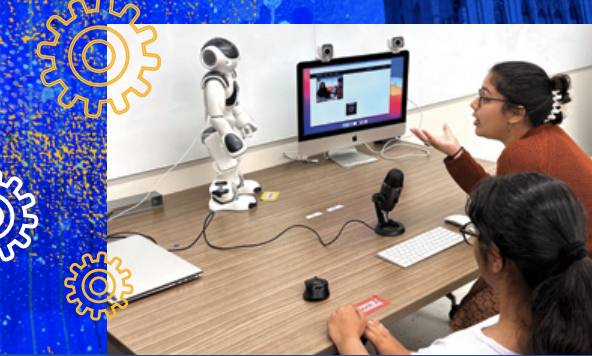
The Learning Sciences Distinction allowed me to solidify my goals in the psychology field by confirming and nourishing my passion for developmental psychology. It also led me to be a part of a research team where I realized how fun and rewarding research can be. All of the professors, staff, and students in the lab and greater LRDC community have been so encouraging and helpful, and they allowed me to experience what it was like to be part of a community that learns and grows together. I will miss everyone so much. I adored this program, especially the lab component and would love to be able to help others like me who didn't know what they wanted to do or even if they like research.
Michelle Hong:

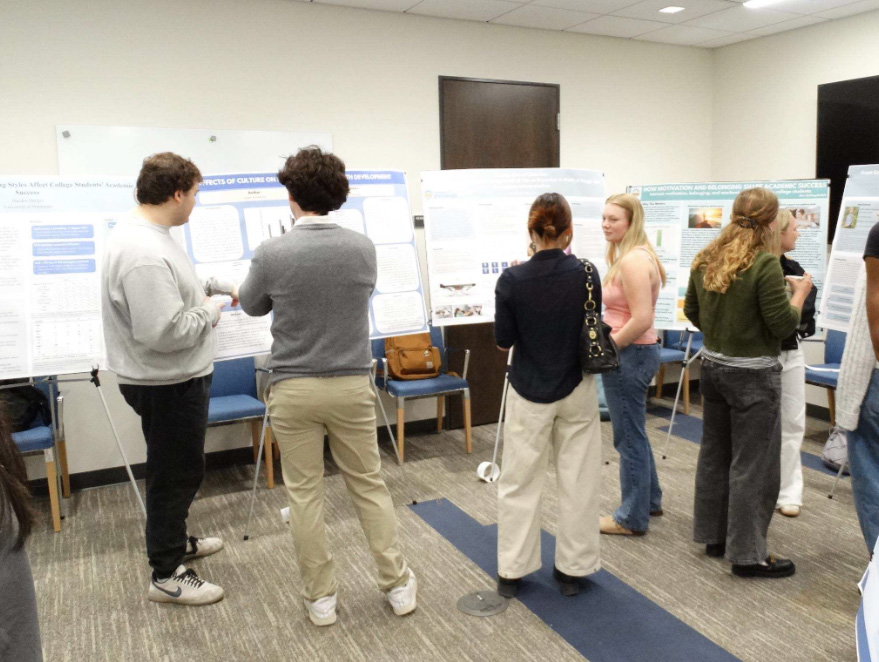
The Learning Sciences Distinction through LRDC was a fantastic way for me to immerse myself in research at the university. I participated in four semesters and a summer of research, as well as participate in the Fall 2025 Undergraduate Research Poster Fair which was amazing exposure for presenting research and getting to see my fellow peers’ hard work as well. As a computer science major, I would have never been able to learn about the learning sciences had I not been a part of the LRDC, so it was an awesome opportunity to explore other fields while at college. I would be happy to be contacted in the future by any faculty, students, and participants of the LRDC!
Ana Larez:

The learning sciences distinction is an excellent way for students to be introduced or further immersed into the research that occurs at Pitt. The requirements in particular are unique in fostering new skills that are necessary for graduate school applications, post-bach programs, as well as any jobs in research. I highly recommend this distinction to anyone that would like to pursue it!
Unlock your potential with the new undergraduate Transcript Distinction in the Science of Learning!
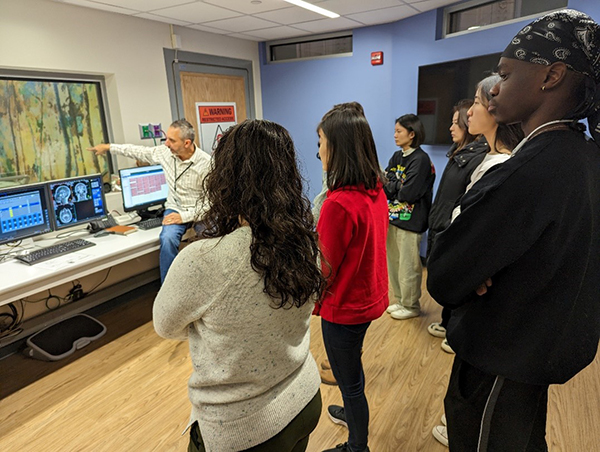
Develop understanding of learning processes and the factors that shape successful learning. As part of the distinction, you will be introduced to cutting-edge theories, techniques, and technologies to understand:
- Neural and cognitive foundations of learning
- Learning in formal settings (classrooms and schools) and informal settings (museums, businesses, and homes)
- Designing technology to support learning
Participate in research and develop the confidence, skills, and knowledge to enter some of the fastest growing careers and economic sectors, or establish the groundwork to pursue graduate studies.
Requirements:
Enroll Now!
- Log into my.pitt.edu and search or select the OCC task to access Suitable.
- Search in the Achievements Tab, and then click on the Milestones tab for the Science of Learning Declaration.
- Complete the online form.